Templo Lux was born from faith and family tradition, rooted in Afro-Brazilian heritage and in magical and esoteric knowledge passed down through generations.
Here, Lucas’s story is shared as a journey that began in childhood, where spiritual growth developed alongside personal growth.
A path shaped by lived religious experience and ancestral presence, unfolding into a life guided by spirituality and the mission embraced in this generation.
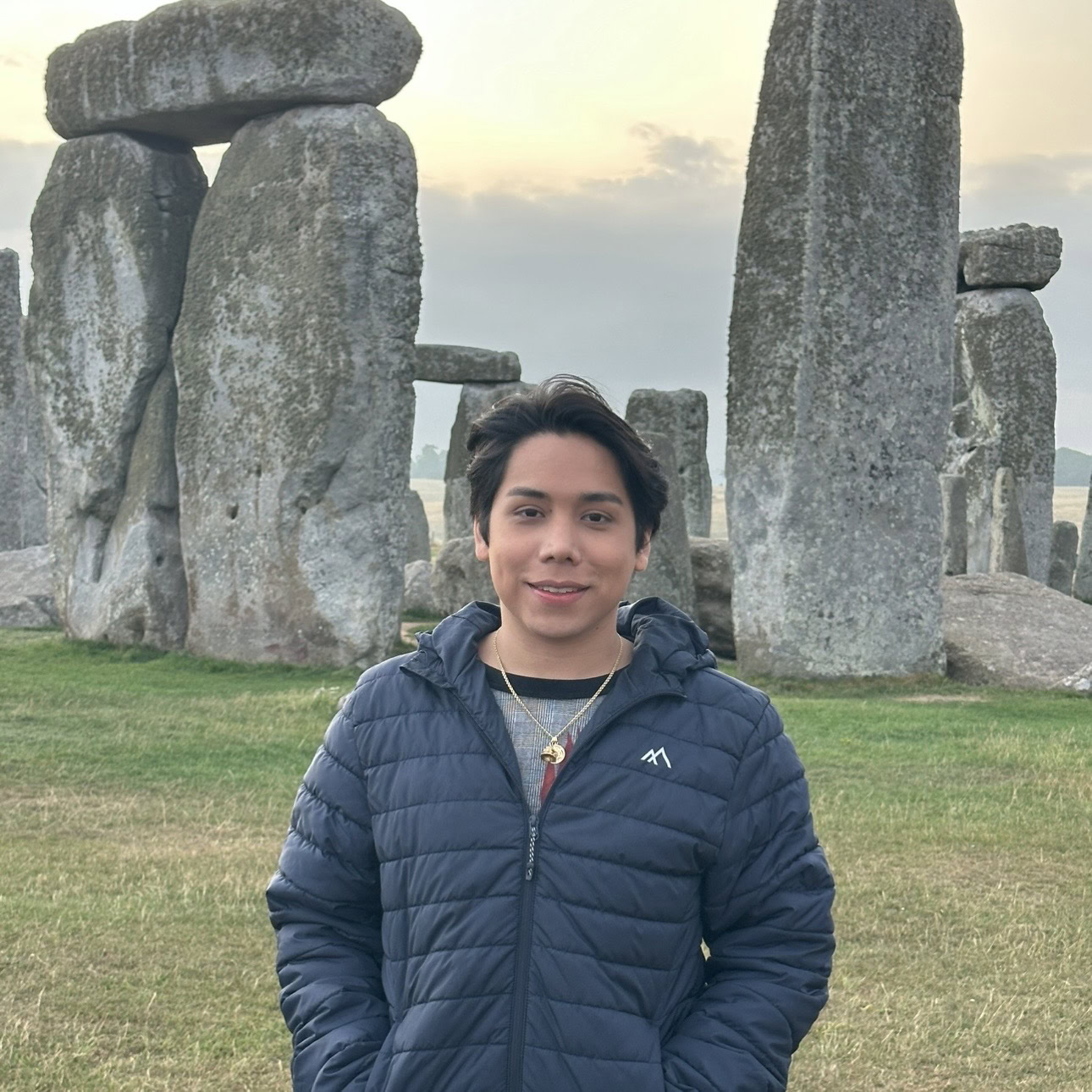
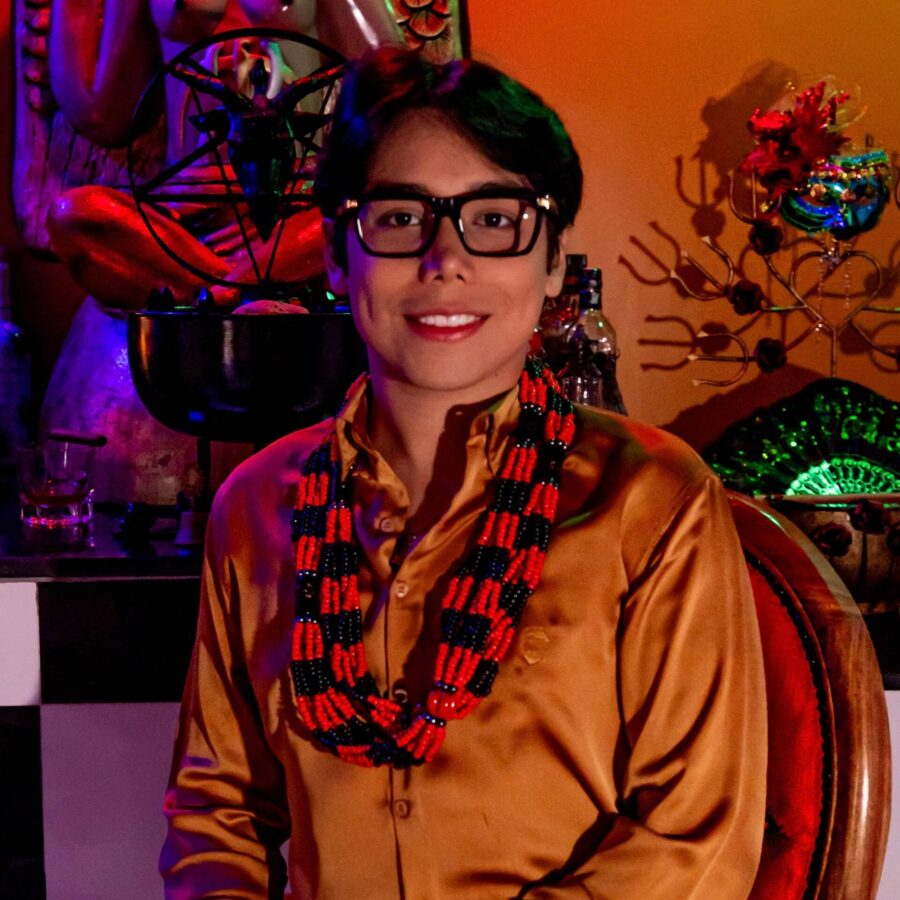
Lucas comes from a mixed heritage of Indigenous, European, and East Asian ancestry. Brazilian by origin, he is an academic and researcher dedicated to Afro-Brazilian religious traditions.
His path in spirituality began early, shaped within a family temple founded in Brazil in 1940. There, he learned about religion, Amazonian cultural roots, and holistic care for the human being — embracing the physical, emotional, and spiritual dimensions of life.
He has worked as a medium since his teenage years and now serves as the spiritual leader of the temple inherited from his family. In this role, he is committed to preserving the house’s ancestral knowledge while integrating new perspectives gained through his initiatory journey, studies, and lived experiences, bringing them into the temple in this generation.
Lucas advocates for Afro-Brazilian religious traditions, public health, and humanitarian causes. He also works as a speaker, researcher, and translator in religious studies projects developed in Brazil in partnership with the University of Groningen in the Netherlands.
Lucas’s spiritual path is deeply rooted in his family’s history and in the founding of the temple now preserved by his lineage. In 1940, his great-grandmother Joana established a terreiro that brought together practices from Nagô Candomblé and Umbanda, centered on the worship of orixás, voduns, and Amazonian enchanted spirits within the Tambor de Mina Gegê-Nagô tradition — an ancestral religion of Northern Brazil, especially present in Pará and Maranhão.
Joana was born in Moju, in the countryside of Pará, and was of Indigenous descent. As a child, she experienced her first spiritual incorporation on the banks of the Cairari River, where she began performing healing rituals rooted in pajelança traditions.
As an adult, she moved to Belém, where she built her family and strengthened the religious community that would later become the temple. An Indigenous woman without formal literacy in Portuguese, she sustained her household through domestic work while preserving the spiritual legacy passed down by her ancestors through pajelança and the guidance of the enchanted spirits.
During a time of intense religious persecution, she turned to the Catholic syncretism found in Umbanda as a way to safeguard her spiritual practices, which were then considered illegal by local authorities. Through this act of resilience and preservation, the tradition was carried forward across generations, forming the ancestral foundation that now sustains Templo Lux and affirms the continuity of its spiritual work today.
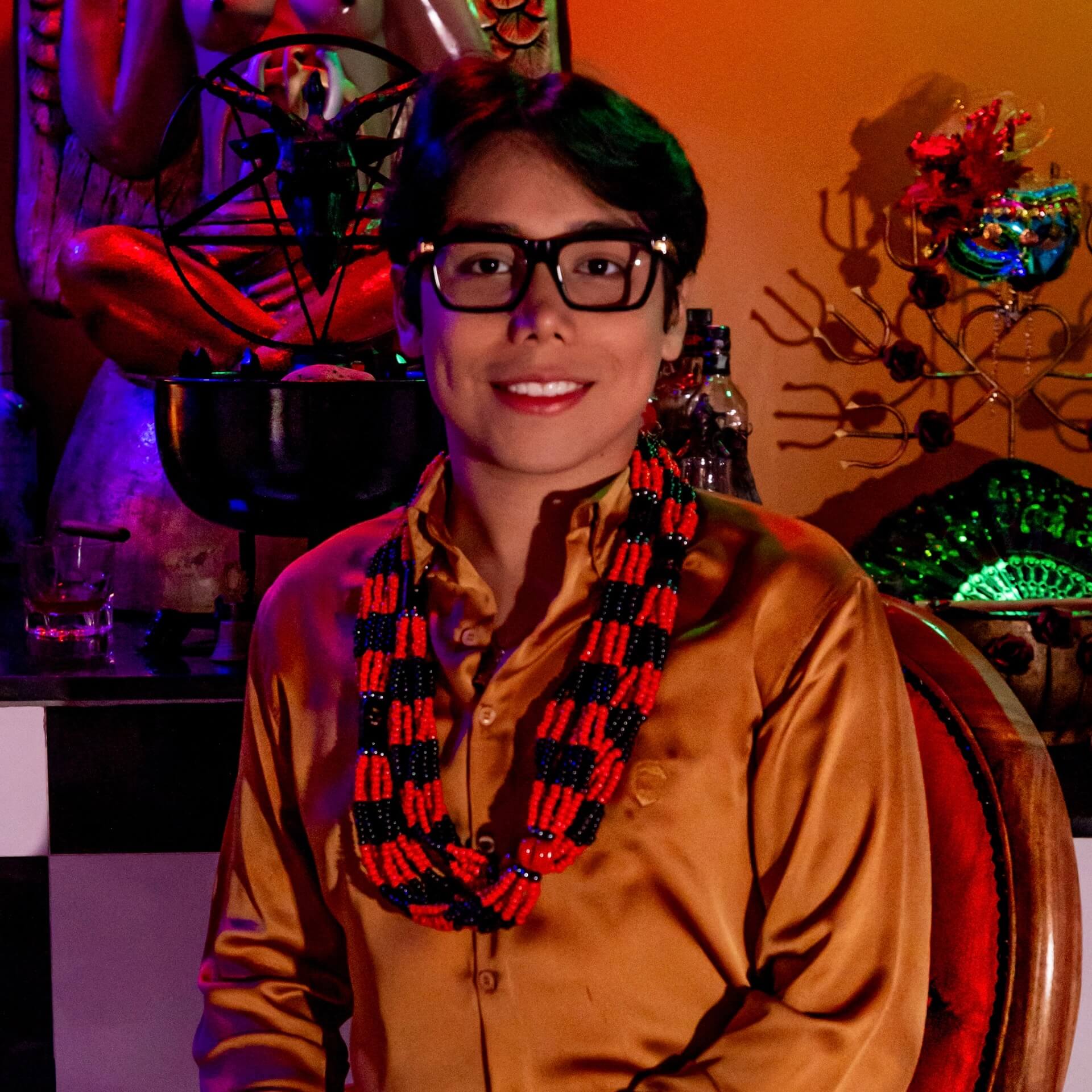
From an early age, Lucas was immersed in the spiritual world that sustained his family’s terreiro. The sacred space built by his great-grandmother in Belém became the setting where, from the age of four, he began attending pajelança and spiritual healing ceremonies alongside his mother, who is also Joana’s granddaughter.
Quietly, his great-grandmother guided the beginning of his spiritual preparation, observing and supporting his first steps into mediumship. At fourteen, Lucas experienced his first spiritual manifestations within the terreiro. The first entity to manifest through him was Cigana Esmeralda, marking the true beginning of his path as a medium.
Despite the strong spiritual heritage within his family, Lucas sought a different path during his teenage years. While still young, he became deeply interested in the knowledge that would later shape his magico-religious practices, immersing himself in the study of occultism.
During this time, he was initiated into witchcraft, developing his magical work alongside the rituals of his great-grandmother’s terreiro.
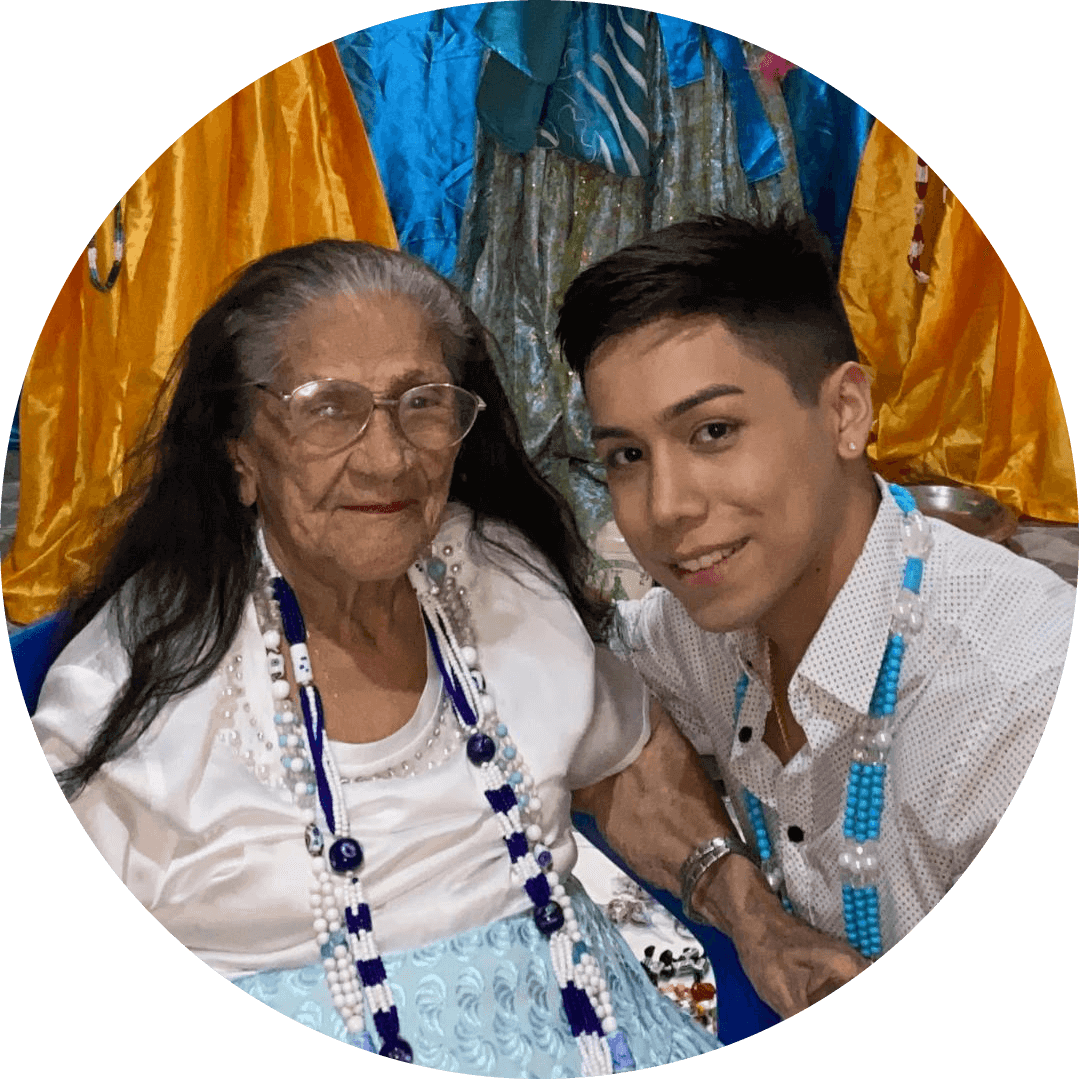
Lucas’s great-grandmother passed away at the age of 106, after more than nine decades devoted to pajelança and to various Afro-Brazilian traditions, from Maranhão’s Terecô to Umbanda. A woman of the land and of Indigenous descent, she served as a medium for the enchanted spirits and as a guardian of a spirituality deeply rooted in nature and Brazilian culture.
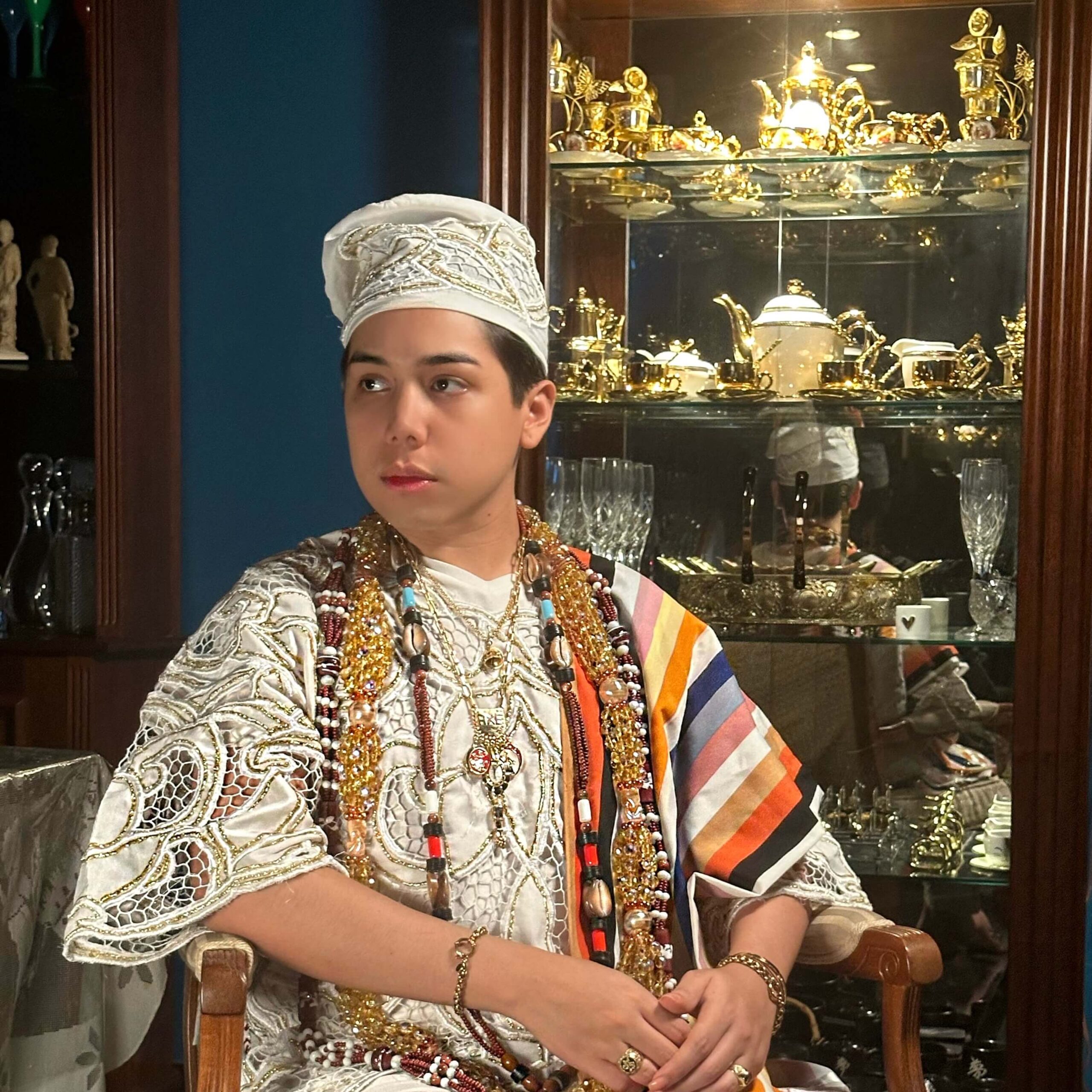
Two years before her passing, she understood that succession could no longer be postponed. Already physically weakened, she publicly consecrated Lucas as Pai de Santo, declaring that he would carry forward the spiritual work of the temple. At the age of twenty, Lucas was formally recognized as a spiritual leader within Umbanda and as the heir to the axé of the Terreiro de Mina Cosme e Damião.
Forty days after his great-grandmother’s passing, Lucas received a spiritual visitation from his enchanted guide, Mariana, who urged him to seek the deeper roots of his spiritual ancestry. This guidance led him to the terreiro of the late Babalorixá connected to Mãe Joana’s lineage and, soon after, to the welcome of Joana’s granddaughter, who had taken leadership of the temple. Lucas was received with care and with a shared commitment to honoring his great-grandmother’s legacy.
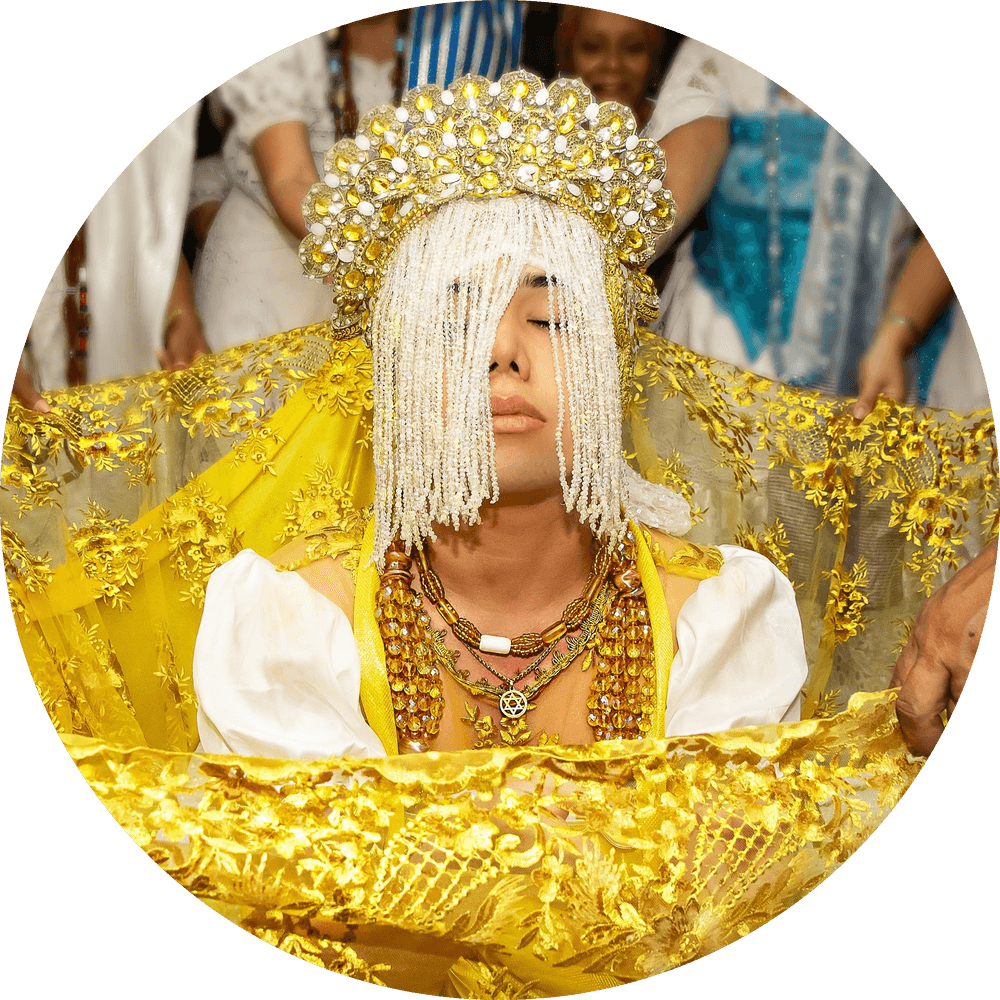
Under her guidance, Lucas — already devoted to Oxum — was initiated to the orixá within the Nagô Candomblé tradition, spending years in dedicated learning in a house of axé where Mãe Joana herself had once been initiated. He later received his Deká, being recognized as a Babalorixá, and went on to found the Reino de Oxum, bringing the worship of the Orixás into continuity with the Terreiro de Mina Cosme e Damião established by his great-grandmother.
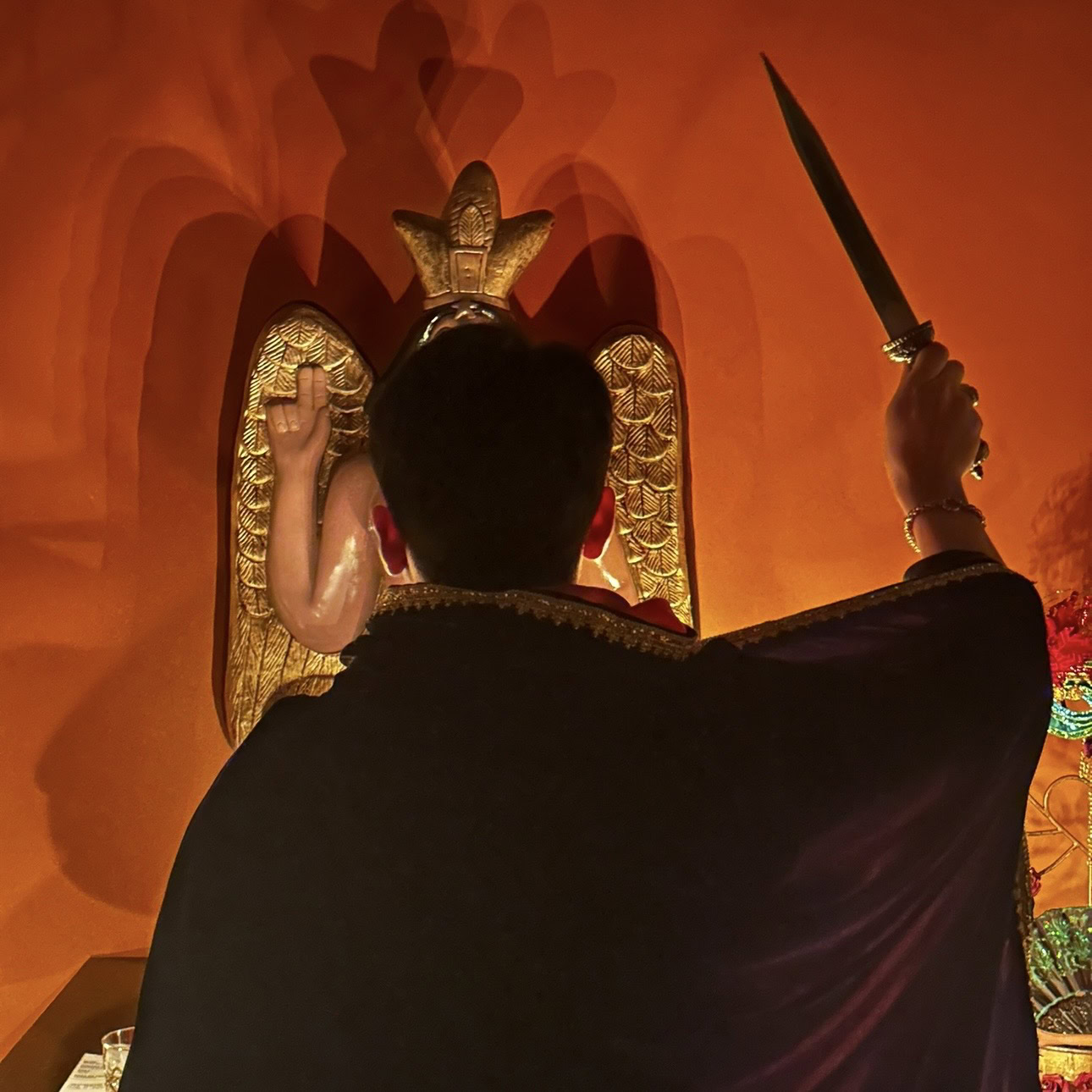
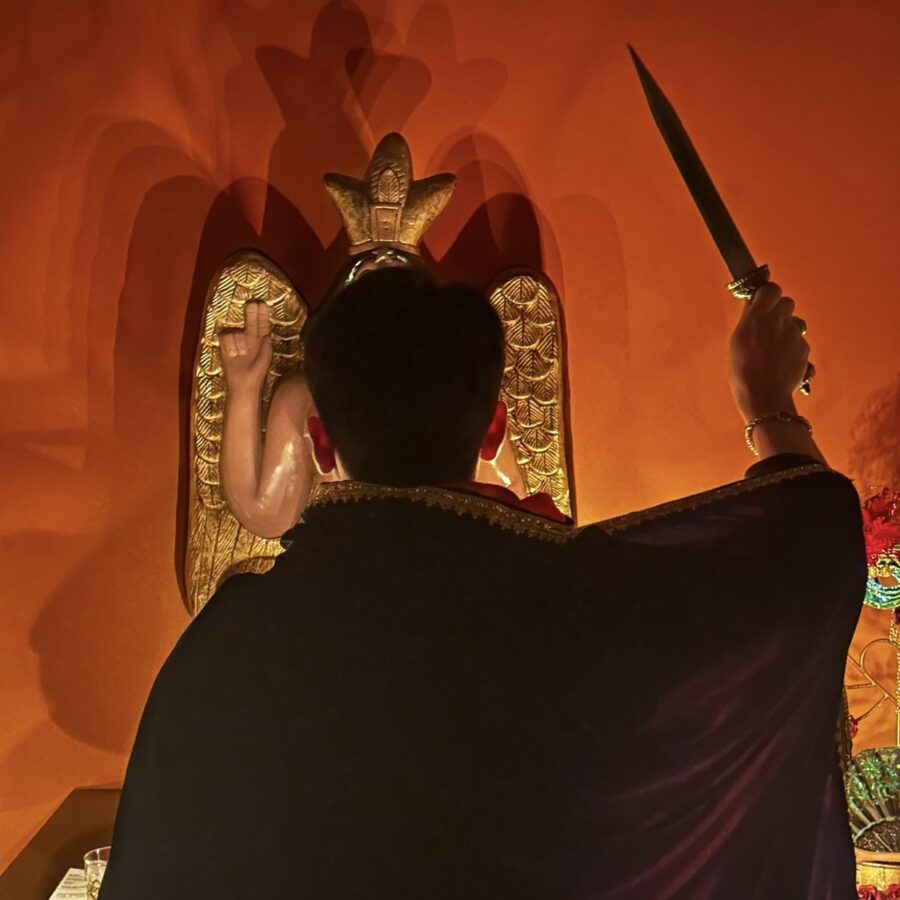
The first major ritual held at the inauguration of Templo Lux in 2024 honored the Exus and Pombagiras, formally establishing Quimbanda as an independent spiritual path within the temple.
Around that same time, the Light Bearer revealed himself in a tangible way, bringing Lucas a deeper understanding of his spiritual purpose.
During this encounter, he received the name “Lux” from a manifested spiritual presence — a Spartan-like angelic figure of striking beauty — who unveiled a mission devoted to clarity, spiritual autonomy, and the liberation of consciousness.
From that moment on, Mestre Lux came to understand his life as a vessel for awakening awareness and reconnecting people with the wisdom of the ancient world.
Templo Lux stands as a path toward spiritual freedom, the pursuit of knowledge, and the illumination of consciousness for all who arrive there.
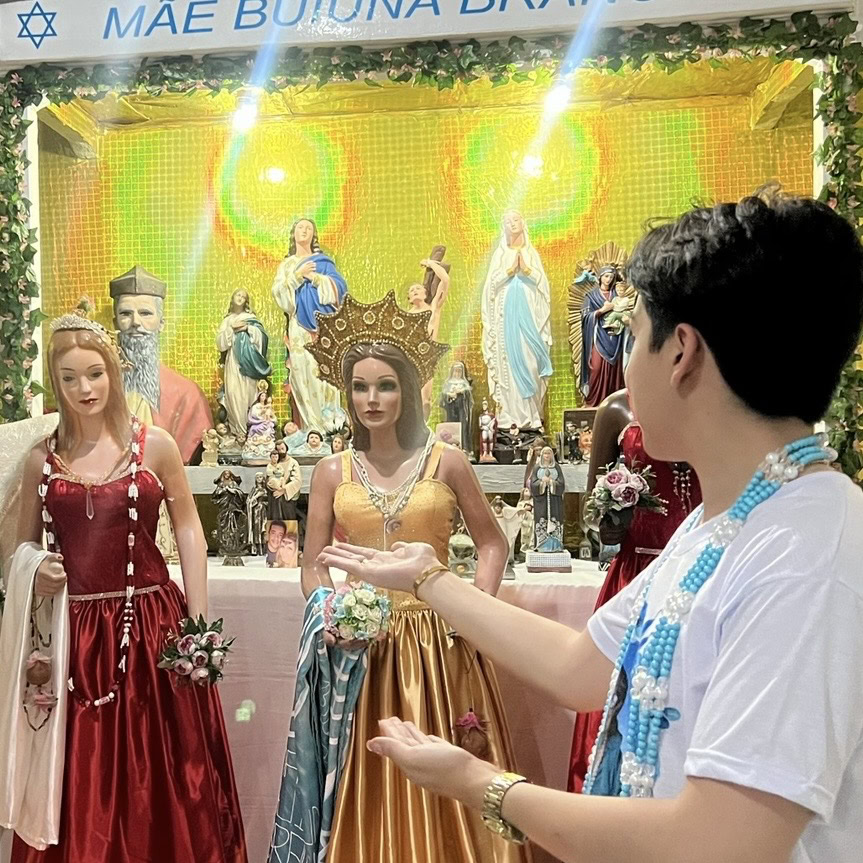
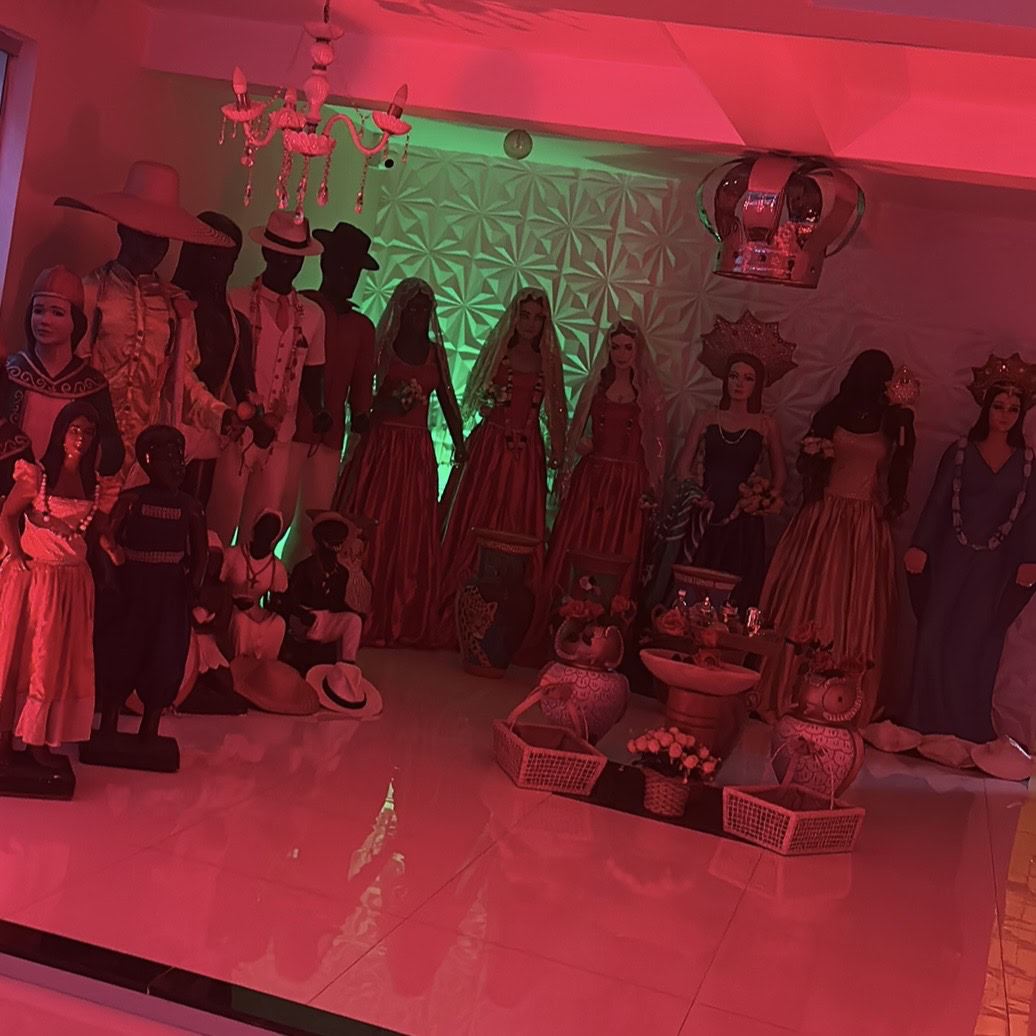
Templo Lux recognizes and preserves the enchanted spirits of Indigenous peoples, as well as ritual practices brought by different cultures that arrived in Brazil throughout history. African deities, ancestral spirits honored in Tambor de Mina and Quimbanda — such as Encantados, Exus, and Pombagiras — find in Templo Lux a space of memory, respect, and continuity. African, Indigenous, and other spiritual lineages are honored as living and essential parts of Brazil’s spiritual formation.
Grounded in Luciferian Gnostic philosophy, the temple upholds freedom of thought and spiritual choice. The Light Bearer represents the right of every person to recognize where they belong without having their faith, culture, identity, or orientation denied. Human diversity is understood as an essential expression of spirituality itself.
Templo Lux offers a welcoming, plural religious space designed to hold different spiritual egregores. Each tradition has its own dedicated time and place within the temple, preserving its rituals, foundations, and forms of worship while being responsibly integrated into a shared spiritual environment.
The temple practices Luciferian doctrine with sovereignty, alongside the veneration of the Orixás, the Enchanted spirits, and the forces of nature.
As a temple and a dwelling of the Ancient Gods, this sacred space preserves ancestral traditions, rituals, prayers, and spiritual foundations passed down through generations, guided by commitment, devotion, and deep respect for spirituality.
Every work is carried out with faith, discipline, and care, seeking balance between body, mind, and spirit while keeping alive the magic and the axé that sustain us.
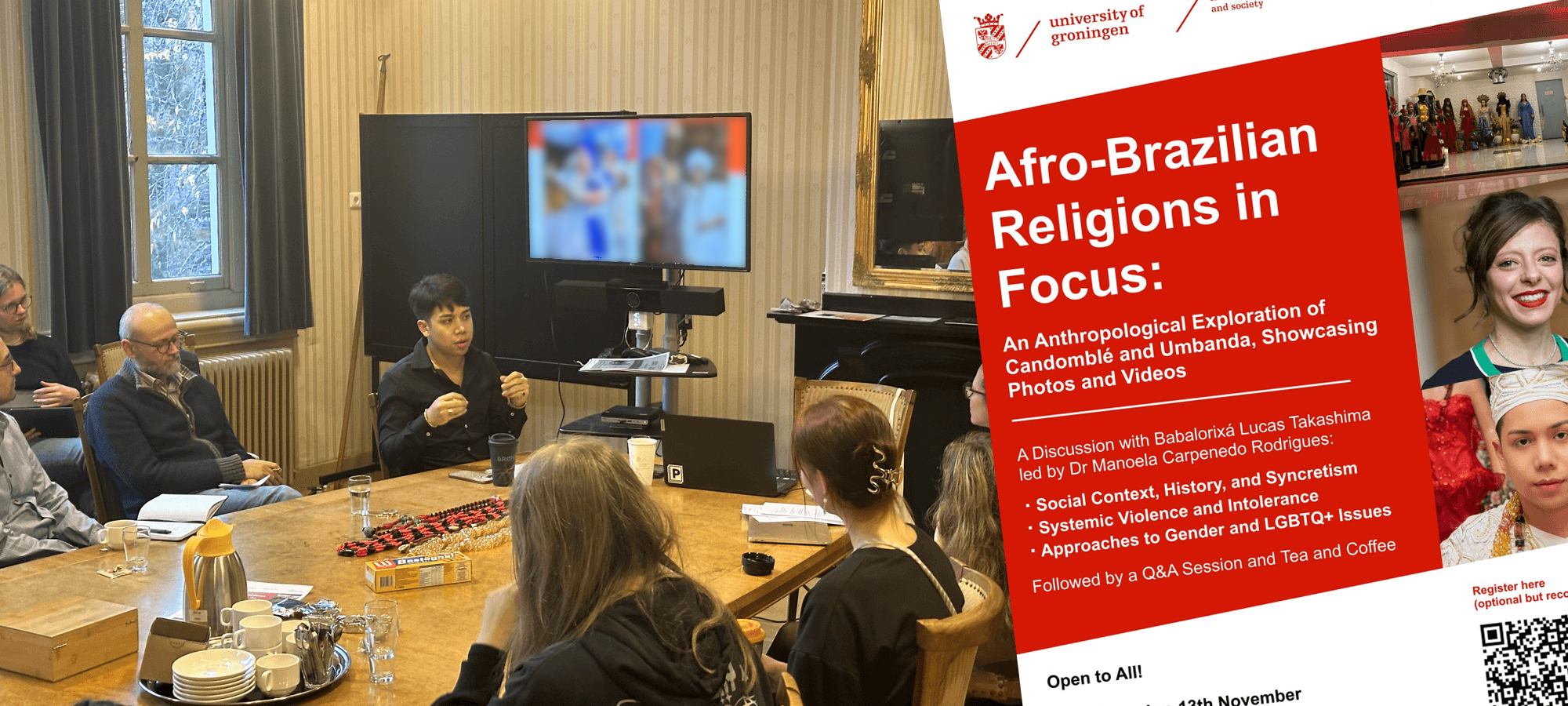
On November 13, 2024, I was invited to take part in an academic gathering at the Faculty of Religion, Culture and Society at the University of Groningen, led by Dr. Manoela Carpenedo Rodrigues. The event explored Afro-Brazilian religions from an anthropological perspective, discussing the historical and social dimensions of Candomblé and Umbanda, their processes of syncretism, and contemporary issues such as religious intolerance, systemic violence, and gender and LGBTQIA+ experiences.
Through images, videos, and open dialogue with the audience, the meeting created a space for exchange, listening, and learning, followed by a Q&A session and an informal conversation among participants.